Failure to Verify Leads to Irreversible Surgical Error

Marc Leffler, DDS, Esq.
May 1, 2026

Reading time: 8 minutes
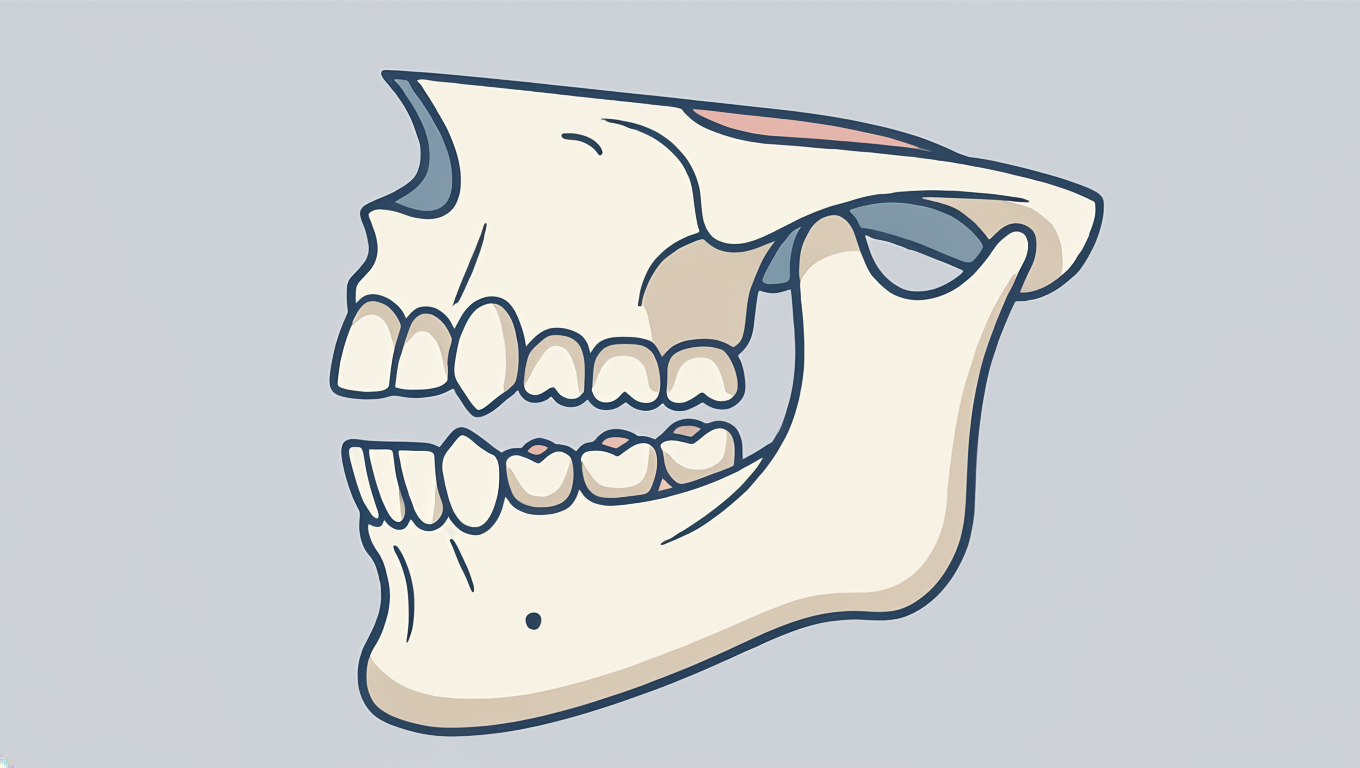
In this case study, oral and maxillofacial surgeons (OMS) will examine how a documentation error and failure to clinically verify a biopsy site led to wrong site oncologic surgery and malpractice claims. The case highlights the importance of obtaining clinical clarity before procedures.

Key Concepts

  • Preventing wrong-site surgery through pre-procedure precautions
  • Vicarious liability for documentation errors
  • Pure consent to settle clauses in malpractice policies

Background Facts

T, a 71-year-old man, was a retired carpenter, with a history of well-controlled hypertension and chronic, episodic sinusitis, and having smoked at various times in his life, as much as a pack of cigarettes a day. He visited his dentist, Dr. D, at irregular intervals and never wanted to establish a big-picture treatment plan. At his most recent visit, Dr. D noted a course, irregular white area at the buccal mucogingival junction around teeth #29-31. Not feeling comfortable making a provisional diagnosis, Dr. D referred T to a periodontist, Dr. O, to evaluate the area and treat as needed. Dr. O performed an incisional biopsy of the area and sent it to an oral pathologist, Dr. H, for histopathological assessment. The lesion was read out provisionally as atypical epithelial proliferation, but Dr. H asked for a larger sample to be able to make a more definitive diagnosis.

Dr. O took a second specimen from an immediately adjacent site. Due to a clerical error, Dr. O entered into the chart that this specimen had been taken from the “lower left buccal gingiva,” with her dental assistant repeating that error on the pathology request form that was forwarded to Dr. H with the tissue. After microscopically examining the specimen, Dr. H diagnosed it definitively. The report from Dr. H to Dr. O read “squamous cell carcinoma, moderately-to-well differentiated, lower left buccal gingiva,” the latter aspect having been copied by Dr. H, exactly from the requisition provided by Dr. O’s office with the most recent submission.

Upon seeing the words “squamous cell carcinoma,” Dr. O immediately referred T to a double-degree oral and maxillofacial surgeon, Dr. M, who had head-and-neck surgery fellowship training, for evaluation and treatment, giving T a copy of the biopsy report to take with him. Dr. M reviewed Dr. H’s report, examined T, noting a small lesion on the buccal aspect of teeth #30-31, and explained to T that he would need a PET scan to determine whether there had been any spread. Presuming no such spread, Dr. M advised T that the lesion could be successfully treated by surgery alone, specifically a marginal mandibulectomy and a limited neck dissection. The lesion had not spread, per the PET scan and other modalities, so the stated plan would go forward. T agreed and surgery was scheduled at a regional medical center.

On the day of surgery, T waited in a pre-surgery room, where his medical history was reviewed and identification was checked. A consent form stating the procedure to be “removal of portion of lower jaw, and neck dissection” was signed by T and witnessed by a nurse. Dr. M said a brief “hello” to T before changing into scrubs and entering the operating room, where T was already on the table. Dr. M asked the anesthesiologist to proceed.  

Dr. M had taped Dr. H’s biopsy report to the OR wall, read it again, and prepared to make an extraoral left submandibular incision, through which he would both remove a mandibular segment and perform the limited neck dissection. Technically, the procedure went forward uneventfully, with T then transferred to the post-anesthesia care unit. T’s wife was brought in to see her husband while Dr. M was still there, dictating his operative note. She was aghast to see that surgery had been performed on T’s left side, when she knew that the cancer was on the right. When she confronted Dr. M on the spot, he said, “here’s the biopsy report, read it for yourself.”  

Shortly after T’s initial surgical recovery, another surgeon treated T, this time correctly operating on the right side of T’s face and neck. T suffered emotionally, to the extent that he sought and obtained psychological counseling, but he was never able to comfortably eat or drink, or otherwise normally function orally again. He required and received reconstruction bilaterally, but he always found it to be very compromised and esthetically unacceptable.

Legal Action

T retained a seasoned attorney, who collected all records and obtained opinions from a general dentist (like Dr. D), a periodontist (like Dr. O), an oral pathologist (like Dr. H), and an OMS (like Dr. M). The general dentist saw no liability on Dr. D’s part, as he had immediately made an appropriate referral. The oral pathologist similarly found no liability as to Dr. H, reasoning that oral pathologists in biopsy situations do not assess the patient clinically. They simply diagnose what they see microscopically, which he did accurately, and report the findings regarding the site that was conveyed on the requisition it had come from.  

The conclusions as to Drs. O and M were quite the different. The expert periodontist stated his view of Dr. O’s negligence succinctly: Dr. O’s recording error which incorrectly stated the location of the lesion to be examined was inexcusable, and it served to set the entire cascade of events into action, resulting in wrong-side surgery having been done. The oral surgery expert was deeply critical of Dr. M, claiming that he failed to clinically correlate the location findings on a biopsy report with the patient’s actual condition, and then compounded the situation by being unwilling to address his error, thereby violating his duties, both surgically and ethically. In short, said this expert, Dr. M failed to do the most basic tasks, namely double checking the intended surgical site before performing irreversible, life-altering treatments.

Substantial settlement amounts were paid to T on behalf of both Dr. O and Dr. M. Additionally, Dr. M was sanctioned by his State Board.

Takeaways

Wrong-site treatment, including surgery – whether, as here, relating to the side of the mandible to be removed, or extracting a first bicuspid instead of an orthodontically planned-for second bicuspid, or endodontically treating a healthy lower molar instead of the diseased tooth next to it – has permanent effects, which are virtually always preventable. Pre-procedure techniques can be, and routinely are, employed that will stop this type of error from ever taking place, such as taking a time out for confirmation, marking the side/site of surgery, having two people independently confirm what is to be done, clinically correlating a result document (such as a biopsy report) with an actual finding, and having an open, no-consequences policy that encourages office staff to voice any concerns before a potential untoward event begins. The old “a stitch in time” adage is never more applicable than in pre-procedure risk protection.

One of the most frequent case types now seen in malpractice claims is a practitioner performing treatment where it was not intended to be, and the trend appears to be growing. While the reasons for that are simply theories, a common-sense approach is that such events might well be driven by a focus on the number of patients seen and procedures performed. In reality, the amount of time needed before a procedure to assure correct patient, correct site, correct procedure is nominal in comparison to the amount of time that most procedures take. But even if a practitioner or an office is measurably slowed down to achieve those assurances, obligations to patient safety warrant those delays.

This case highlights the consideration of responding to patients and their family members when results are not as planned or expected, when complications come to pass, or, as here, when errors are immediately obvious. It would not likely have changed the ultimate course of legal events had Dr. M responded to T’s wife differently, because the negligence was so clear and significant, but it might have reduced the likelihood of a Board complaint being levied against him. Evidence to support that theory lies with the fact that no Board complaint was filed against Dr. O.  

The pathology request form sent to Dr. H with the second specimen taken by Dr. O was completed by Dr. O’s dental assistant, who wrote the requisition form. By way of a concept known as vicarious liability, what the dental assistant wrote is the functional equivalent of Dr. O having written it herself. The assistant’s error, whether copied from Dr. O’s own transcription error or not, becomes Dr. O’s error as well. All that is delegated comes back to the delegator, so double-checking of even such a seemingly unimportant task is critical for liability protection and for patient protection.

As a background fact, both Dr. O and Dr. M had professional liability (“dental malpractice”) policies with “pure consent-to-settle” provisions, meaning that no settlement could have been reached without their agreement to do so. Such a provision means that a practitioner can demand that a lawsuit brought against them be tried in court before a jury, regardless of how strong the evidence of wrongdoing might be. For every case, practitioners are counseled by their attorneys regarding the pros and cons of settlement versus trial, with the potential implications of both fully set out on the table.  

Finally, we note that, simply for purposes of brevity, some details, which were not relevant to the risk management issues discussed, were omitted. This is particularly the case regarding the pre-surgical work-up phase of care, secondary criticisms addressed by the experts, and the documentary and testimonial evidence before the State Board. Their absence should not be construed as necessary but missing pieces.

Summary of Takeaways

  • Wrong site surgery remains a leading and largely preventable source of malpractice claims.
  • OMS are accountable for errors made by delegated staff, even when those errors were unintentional.
  • Simple confirmation practices before irreversible procedures can prevent patient harm and legal consequences.
			WP_Query Object
(
    [query] => Array
        (
            [post_type] => post
            [showposts] => 3
            [post__not_in] => Array
                (
                    [0] => 7898
                )

            [post_status] => publish
            [has_password] => 
            [cat] => 1365
        )

    [query_vars] => Array
        (
            [post_type] => post
            [showposts] => 3
            [post__not_in] => Array
                (
                    [0] => 7898
                )

            [post_status] => publish
            [has_password] => 
            [cat] => 1365
            [error] => 
            [m] => 
            [p] => 0
            [post_parent] => 
            [subpost] => 
            [subpost_id] => 
            [attachment] => 
            [attachment_id] => 0
            [name] => 
            [pagename] => 
            [page_id] => 0
            [second] => 
            [minute] => 
            [hour] => 
            [day] => 0
            [monthnum] => 0
            [year] => 0
            [w] => 0
            [category_name] => risk-tips
            [tag] => 
            [tag_id] => 
            [author] => 
            [author_name] => 
            [feed] => 
            [tb] => 
            [paged] => 0
            [meta_key] => 
            [meta_value] => 
            [preview] => 
            [s] => 
            [sentence] => 
            [title] => 
            [fields] => all
            [menu_order] => 
            [embed] => 
            [category__in] => Array
                (
                )

            [category__not_in] => Array
                (
                )

            [category__and] => Array
                (
                )

            [post__in] => Array
                (
                )

            [post_name__in] => Array
                (
                )

            [tag__in] => Array
                (
                )

            [tag__not_in] => Array
                (
                )

            [tag__and] => Array
                (
                )

            [tag_slug__in] => Array
                (
                )

            [tag_slug__and] => Array
                (
                )

            [post_parent__in] => Array
                (
                )

            [post_parent__not_in] => Array
                (
                )

            [author__in] => Array
                (
                )

            [author__not_in] => Array
                (
                )

            [search_columns] => Array
                (
                )

            [ignore_sticky_posts] => 
            [suppress_filters] => 
            [cache_results] => 1
            [update_post_term_cache] => 1
            [update_menu_item_cache] => 
            [lazy_load_term_meta] => 1
            [update_post_meta_cache] => 1
            [posts_per_page] => 3
            [nopaging] => 
            [comments_per_page] => 50
            [no_found_rows] => 
            [order] => DESC
        )

    [tax_query] => WP_Tax_Query Object
        (
            [queries] => Array
                (
                    [0] => Array
                        (
                            [taxonomy] => category
                            [terms] => Array
                                (
                                    [0] => 1365
                                )

                            [field] => term_id
                            [operator] => IN
                            [include_children] => 1
                        )

                )

            [relation] => AND
            [table_aliases:protected] => Array
                (
                    [0] => wp_4_term_relationships
                )

            [queried_terms] => Array
                (
                    [category] => Array
                        (
                            [terms] => Array
                                (
                                    [0] => 1365
                                )

                            [field] => term_id
                        )

                )

            [primary_table] => wp_4_posts
            [primary_id_column] => ID
        )

    [meta_query] => WP_Meta_Query Object
        (
            [queries] => Array
                (
                )

            [relation] => 
            [meta_table] => 
            [meta_id_column] => 
            [primary_table] => 
            [primary_id_column] => 
            [table_aliases:protected] => Array
                (
                )

            [clauses:protected] => Array
                (
                )

            [has_or_relation:protected] => 
        )

    [date_query] => 
    [request] => SELECT SQL_CALC_FOUND_ROWS  wp_4_posts.ID
					 FROM wp_4_posts  LEFT JOIN wp_4_term_relationships ON (wp_4_posts.ID = wp_4_term_relationships.object_id)
					 WHERE 1=1  AND wp_4_posts.ID NOT IN (7898) AND ( 
  wp_4_term_relationships.term_taxonomy_id IN (11)
) AND wp_4_posts.post_password = '' AND wp_4_posts.post_type = 'post' AND ((wp_4_posts.post_status = 'publish'))
					 GROUP BY wp_4_posts.ID
					 ORDER BY wp_4_posts.post_date DESC
					 LIMIT 0, 3
    [posts] => Array
        (
            [0] => WP_Post Object
                (
                    [ID] => 8010
                    [post_author] => 180159417
                    [post_date] => 2026-06-30 13:27:32
                    [post_date_gmt] => 2026-06-30 17:27:32
                    [post_content] => 


In this real-life case study, oral and maxillofacial surgeons will learn why informed consent is a critical part of surgical risk management—not just a formality. Understand how consent gaps, documentation limitations, and differing standards of care can affect malpractice claims, especially for newer practitioners or those working outside their own offices.

Key concepts

  • Why informed consent is more than a formality
  • How consent gaps can lead to malpractice claims
  • The importance of documenting surgical risk discussions

Background facts

Dr. G was an oral and maxillofacial surgery resident, in the third of six years of training. She spent most of her current time on off-service rotations, so she was able to moonlight outside of the hospital, which was a practice permissible in her program. To properly protect herself, Dr. G obtained malpractice insurance, which allowed for part-time non-resident work; inasmuch as she was not yet an oral surgeon, her premium was set as would be done for a general dentist performing oral surgery.

On a typical day in the busy, urban dental office, Dr. G generally treated between 10 and 15 patients, performing the extraction of impacted and non-impacted teeth, with an occasional root resection, apicoectomy, or biopsy. R, a 22-year-old man, presented with an episodically symptomatic, deeply impacted lower left third molar; he was directed to see Dr. G for evaluation and potential treatment. On the panoramic film that Dr. G reviewed, tooth #17 was fully imbedded in bone, with a mesioangular inclination so as to create a clinically-evident periodontal defect on the distal aspect of the adjacent second molar. Dr. G suggested to R that the wisdom tooth be extracted, with a bone graft placed into the socket. Because of the radiographic relationships that were visible and noted, clear warning was given about the realistic potential for left inferior alveolar nerve injury, and those effects, but little else was provided in terms of risks, even according to Dr. G's chart entry. The office had no written consent forms.

Under local anesthesia, Dr. G sectioned the tooth, taking note as she proceeded of the angulation of the crown toward the lingual. Exercising appropriate care to surgically stay away from the lingual plate and gingiva, the tooth was removed in sections, seemingly uneventfully; but as the crown portion was elevated out, what appeared to be an intact lingual nerve became visible immediately above the height of bone. The site was carefully debrided and irrigated, with a small amount of bone graft material placed just behind tooth #18. Because of Dr. G's hospital schedule, she knew that she would not be able to return to the office for 2 weeks, so she placed a chromic gut suture and advised R to return if he had any problems. Dr. G wrote a detailed chart entry, chronicling every surgical step and including her findings regarding the lingual nerve.

R never returned, and nobody from the office, including Dr. G, attempted to contact him: because of the large patient volume, post-treatment calls were not very feasible, given the few administrative staff members.

Legal action

No word was heard from or about R until the office received a letter, some 10 months after treatment, from an attorney representing R. The letter requested complete copies of R's records; the office complied but did not inform Dr. G of the request or compliance. Approximately 3 months later, a process server appeared at the hospital's oral surgery clinic and handed Dr. G a copy of the papers initiating a lawsuit against her. The Complaint alleged professional negligence — dental malpractice — for improper surgery that resulted in left-sided tongue numbness and taste loss, as well as lack of informed consent. After gathering her thoughts, she contacted her malpractice insurance carrier, forwarded what she was given, asked the office to forward to her carrier a copy of R's office records, and was ultimately contacted by the attorneys hired to represent her.

In the first lawyer-client meeting, the litigation process was discussed with Dr. G. In turn, Dr. G described her surgical technique, as had been documented, which sounded "textbook" to her attorney, who was well-experienced in defending dental malpractice cases. The attorney expressed concern about there being no written consent form, compounded by the limited statement of risks in the chart entry, which ignored injury to the lingual nerve and, by extension, the chorda tympani. At the conclusion of the meeting, the attorney discussed his next immediate steps, which included obtaining a very preliminary expert review from a general dentist who performed many extractions. (The State in which the lawsuit was filed required that all experts be of the same area of practice as the defendant; because Dr. G was still in training, she was a general dentist.)

Pending depositions and other discovery, the potential expert supporting Dr. G was of the opinion that her description of the surgery lacked any defects, with the resulting injury being a function of the anatomic relationships at play, namely the tilt toward and proximity of the crown to the lingual nerve complex. As to the issue of lack of informed consent, the expert's opinion was that, in the world of general dentists, although not oral surgeons, written consent forms for surgical procedures were the exception rather than the rule, and risk discussions by general dentists, although not by oral surgeons, were usually quite limited, with Dr. G's documented risk statement falling well within that general-dentist-based parameter. 

Discovery proceeded with no surprises and no changes in defense expert opinion. All involved prepared for trial, with disclosures of anticipated expert testimony shared. On the first day of trial, but before seating the jury, R's (plaintiff's) counsel made a motion in limine — a pretrial request to exclude certain testimony or other evidence — to bar Dr. G's expert from setting forth standards of care, regarding surgical technique, informed consent, or otherwise, that were different as between general dentists and oral surgeons. If successful, Dr. G's expert would not be able to argue that Dr. G, as a general dentist (in reality), should not be held to meet the informed consent standard of care of oral surgeons regarding written consent forms and the extent of surgical risks discussed with R.

The trial judge ruled that Dr. G's expert would not be able to draw the distinction planned between oral surgeons and other dentists. In short, the court said that it is the procedure, not the practitioner, that carries the standard of care. Allowing for such differences would prejudice patients such that those having surgery performed by dentists who are not oral surgeons would essentially be signing on to a lesser level of care, which would not be proper. Dr. G remained confident that she had performed the surgery appropriately in all respects, but she understood the implications of the court's decision as it related to her obtaining of informed consent from R, namely that her process did not meet the standard for the procedure. She agreed to try to reach a settlement, and that was accomplished before the first words were spoken at trial.

Takeaways

The ruling by the judge in this isolated case is one that is quite commonly, although not necessarily universally, adopted by courts. As stated here, the basis for that is the protection of patient safety, a frequent theme of many court decisions on any number of issues. The lesson, though, is clear: any practitioner who undertakes any procedure should understand that their actions in doing so will be held to the standards of experienced practitioners with focused training. Oral surgeons might well read this concept and reason that it does not affect them, given their superior training; but the application to oral surgeons is most relevant to newer practitioners who, despite their strong academic backgrounds, simply do not have very much in-practice experience. That comes with time and repetition, with a learning curve to get there. 

As we have discussed in other case studies, the impact of lack of informed consent is often underestimated, but it ought not be that way. Here, Dr. G committed no malpractice surgically, at least as the description describes, but the informed consent process fell short, with that alone leading to a result for the plaintiff. The informed consent process is far more than just a throwaway to check off a box, but rather an integral part of surgery, with ramifications of deficiencies having the same ultimate litigation effect as negligently carried out surgery. 

While this case study does not directly address the propriety of a panoramic radiograph as compared with a 3-D imaging study such as a CBCT, it is the proverbial elephant in the room. It would be hard to disagree with the concept that 3-D imaging is preferred so as to help in identifying anatomic relationships and potential hazards. But whether use of a CBCT constitutes standard of care will ultimately boil down to dueling opinions of experts for the plaintiff and the defendant, both subject to cross-examination. Standards of care are not published, but if they were, it would be unlikely to see such a publication make its way into trial evidence, for the reason based upon the age-old attorney mantra that a lawyer cannot cross-examine a piece of paper. As of this point in time, opposing experts strongly sit on both sides of the issue regarding the type of imaging appropriate for a given situation, and that is where the world of litigation will remain, at least for the near future. Oral surgeons would do well to determine for themselves what their judgment of choice is, and have a solid line of reasoning to support it.

Moonlighting residents and newer oral surgeons who travel between offices, often not their own, face a number of challenges to go along with the benefits. Weighing them has surgical-legal implications that might not become apparent until years after the fact.

Summary of takeaways

  • Practitioners are held to the standard of care for the procedure performed, regardless of their training level or practice designation.
  • Informed consent is a critical part of surgical care, and deficiencies in the process can carry significant malpractice risk.
  • Oral surgeons, residents, and traveling practitioners should carefully evaluate imaging decisions, documentation practices, and office processes before performing procedures.

[post_title] => Informed Consent Shortfall Leads to OMS Malpractice Claim [post_excerpt] => [post_status] => publish [comment_status] => open [ping_status] => open [post_password] => [post_name] => informed-consent-shortfall-leads-to-oms-malpractice-claim [to_ping] => [pinged] => [post_modified] => 2026-07-07 05:03:40 [post_modified_gmt] => 2026-07-07 09:03:40 [post_content_filtered] => [post_parent] => 0 [guid] => https://oms.medprodental.com/?p=8010 [menu_order] => 0 [post_type] => post [post_mime_type] => [comment_count] => 0 [filter] => raw ) [1] => WP_Post Object ( [ID] => 7991 [post_author] => 180159412 [post_date] => 2026-06-03 16:20:34 [post_date_gmt] => 2026-06-03 20:20:34 [post_content] =>

In this real-life case study, oral surgeons will learn how strong emergency preparedness can make a critical difference during an in-office sedation event. See how regular drills, clear protocols, and a well-trained team supported an effective response—and why even a small compliance oversight can still lead to Board action and public sanctions.

Key Concepts

  • How emergency drills and clear protocols support responses
  • What oral surgeons can do to strengthen sedation preparedness
  • Small compliance gaps can lead to sanctions

Background facts

Drs. J and E are board-certified oral and maxillofacial surgeons, partners for many years in a 2-office practice with locations nearly 10 miles apart, so they were rarely, if ever, at the same office at the same time. Both offices were well-staffed, administratively and at chairside. As a matter of policy, 2 assistants were always in the treatment room with the doctor whenever a patient was sedated to any degree, with one of them suctioning and retracting at and near the surgical site, and the other helping to maintain the airway and watching, recording and reporting on monitors; all of the assistants had been employed in these offices for years, so they were fully familiar with the procedures.

N was a 53-year-old man with a stated medical history to include hypertension (reasonably well managed on an Angiotensin blocker), and "occasional skipped beats"; he was overweight but not obese, with a BMI of 29.2. Dr. J classified him as an ASA II. At his consultation visit in advance of the placement of 2 lower left implants, he told Dr. J that he was nervous about it, so he wanted "to be asleep.” Dr. J said that she would relax him with IV medications and nitrous oxide. On the day of surgery, N presented NPO, with a blood pressure of 145/82, a pulse rate of 76, a respiratory rate of 14, and a normal sinus rhythm.

Once seated in the chair and attached to a full array of monitors, Dr. J placed nasal prongs through which N2O/O2 was delivered and titrated IV Versed and Fentanyl through a butterfly placed in the antecubital fossa. N became somnolent, so Dr. J gave a total of 2 carpules of a local anesthetic with 1:100,000 epinephrine, by way of a left mandibular block and buccal infiltration. N's pulse began to elevate quickly, reaching 110, and then 130, all within 2 minutes. Dr. J then interpreted the EKG to read ventricular tachycardia, with no palpable pulse, at which point she readied the defibrillator and applied the pads and leads; the machine read the rhythm as ventricular fibrillation and called for a shock, which was done and then repeated per the machine's instruction. N regained a more normalized pulse quickly, although fluctuating at numbers well above 100, but he was responsive to noxious stimuli. A staff member called 911 at Dr. J's request; EMTs appeared in short order, took control of the situation, and transported N to the nearest hospital, in relatively stable condition.

N underwent a complete cardiology work-up, after which he was discharged to his home several days later. The cause for the in-office event was not specifically determined, but he was medically followed closely and made significant lifestyle changes.

On the day of N's incident, Dr. J cancelled her remaining patients and met with her staff for the entire afternoon, reviewing what had occurred and how each staff member performed their tasks, as had been pre-determined and rehearsed on a yearly basis. The office protocols for medical emergencies remained unchanged, other than an agreement to increase the frequency of emergency drills to twice each year. Pursuant to state regulations that required self-reporting to the Dental Board if a dental patient was hospitalized within 24 hours of treatment, Dr. J submitted the required information and subsequently provided a complete copy of all pertinent records upon receiving a HIPAA-compliant authorization.

Legal actions

N never returned to the office for implant placement, and he did not respond to repeated calls and emails. Months later, Dr. J was surprised to receive a notice to appear before the Dental Board's investigative committee. Upon notifying her malpractice carrier, counsel was provided to her, per the terms of her policy. In advance of the appearance, Dr. J provided the requested list of all employees present, as well as their relevant backgrounds.

At the appearance and beyond, the Board had nothing but praise for the way that Dr. J and her staff responded to the event and documented it, additionally commenting upon the fact that regular drills were conducted with all office staff present. But there was one deficiency that the Board members found and pointed out: the state required that all staff members present in the treatment room while parenteral sedation was administered must be currently certified in CPR, and one of the assistants' certifications had lapsed a few months prior. As such, a fine, albeit nominal, was levied against Dr. J for violating this regulatory provision; the sanction was publicly posted, as was the practice for this committee.

Dr. J's attorney appealed the decision, arguing that, given the specific circumstances, CPR was not required to have been performed, no less by the assistant who was delinquent, so the issue was moot in this situation. The Board's committee was unmoved, responding back that the point was not one of how a particular incident played out, but rather an overall preventive approach. The sanction remained in place.

Takeaways

History has shown that the most critical predictive factor for morbidity and mortality in an in-office sedation/general anesthesia situation is patient selection. While practitioners might disagree, and while certain states might limit who is permitted to sedate groups of patients based upon their ASA classifications, and in fact whether some patient groups may be sedated at all, the reality comes down to somewhat subjective analyses regarding where to categorize patients based upon their conditions and physical attributes. Moreover, practitioners' opinions as to whether medical consultation prior to sedation is required—or even advised—based upon underlying factors, will vary. In the end, prudence dictates a patient-protective approach, erring on the side of conservatism each and every time; of course, what constitutes being conservative will differ based upon a host of factors, leading to a determinative clinical judgment. Practitioners should be able to justify those judgments before they act, because they might have to justify them later on to a Board or a jury panel.

Regardless of what a patient might want and even insist upon—for example, a level of sedation or, in fact, sedation at all—practitioners should not be pushed into performing any treatment that they do not believe is in the patient's best interest. As the saying goes, patients can properly refuse absolutely anything, all day long, but they cannot be permitted to demand and have that demand carried out.

Focusing first on the positives of the approach in Dr. J's office, the importance of conducting drills to prepare for foreseeable types of emergencies cannot be overstated. Doing so avoids situations when, in the "heat of battle,” oral surgeons and their staff members are forced to look around the office for emergency equipment or try to figure out how it works. Plainly stated, there is no substitute for preparedness, as this case exemplifies, despite the administrative misstep that guided the Board's decision-making: it is a fair conclusion that N survived because of that attentiveness to detail, well before N became a patient of the office. Here, Dr. J took the additional proactive step of a post-event assessment with the entire office, while things were still fresh in the minds of everyone.

Finally, we address the basis for the Board's levying of sanctions here, which some readers might find disturbing. Compliance with state regulations is the responsibility of every practitioner, with the predicate to that being a knowledge and understanding of what those regulations are. Analyses of Dental Board matters are replete with examples of serendipitous findings of administrative deficiencies in dental offices, with sanctions that follow as a result. In the general eyes of Boards, the significance of those deficiencies to the issues that brought a circumstance before them for review are entirely irrelevant. Office protocols to assure conformity with state mandates are absolute necessities.

Summary of takeaways

  • Strong emergency preparedness, regular drills, and clear team roles can make a critical difference when a sedation complication occurs.
  • Even when an office responds appropriately and the patient outcome is favorable, overlooked compliance requirements can still lead to Board sanctions.
  • Oral surgeons should regularly review sedation protocols, staff credentials, and regulatory requirements to reduce risk and strengthen practice readiness.

[post_title] => How a Strong Emergency Response Still Resulted in a Fine [post_excerpt] => [post_status] => publish [comment_status] => open [ping_status] => open [post_password] => [post_name] => how-a-strong-emergency-response-still-resulted-in-a-fine [to_ping] => [pinged] => [post_modified] => 2026-06-15 07:45:11 [post_modified_gmt] => 2026-06-15 11:45:11 [post_content_filtered] => [post_parent] => 0 [guid] => https://oms.medprodental.com/?p=7991 [menu_order] => 0 [post_type] => post [post_mime_type] => [comment_count] => 0 [filter] => raw ) [2] => WP_Post Object ( [ID] => 7943 [post_author] => 180159417 [post_date] => 2026-04-13 10:28:20 [post_date_gmt] => 2026-04-13 14:28:20 [post_content] =>

In this case study, a treatment for recurrent mandibular subluxation led to unexpected complications and a malpractice claim centered on informed consent. The case highlights the importance of thoroughly discussing realistic risks before oral and maxillofacial surgery.

Key Concepts

  • Why successful outcomes do not eliminate malpractice risk
  • Benefits of maintaining empathy as an OMS
  • How patient expectations can influence malpractice outcomes

Background Facts

P, a healthy, petite 31-year-old elementary school teacher, presented to Dr. V, the oral and maxillofacial surgeon who had extracted her third molars when she was in college. Within the past 6 months, P had made 5 trips to a local hospital ER due to her mouth locking in an open position (subluxation) after widely yawning (twice) and after taking large bites into food (three times). Each time, the emergency physician was able to readily "relocate" her jaw into her normal occlusion, except that the most recent episode required that she be given an intravenous sedative for the treatment to be accomplished. That last episode led the treating doctor to suggest that she see an oral surgeon to find out whether anything could be done to eliminate the problem.

After hearing the history, Dr. V performed a clinical evaluation, but the problem could not be replicated. A radiographic study revealed that P's left coronoid process was very pronounced and elongated, compared to both the right side and to what Dr. V had seen on many radiographic views of TMJs in other patients in general. Due to the specific anatomic arrangement, Dr. V explained to his patient, using a skull to demonstrate, that when she opened wide, the condylar head would sometimes slip ahead of the coronoid process – likely due to some soft tissue laxity – but it was unable to work itself back into the fossa because the coronoid process was too long to get past. 

Dr. V believed that open joint surgery would be the best approach, with two potential options: (1) "tighten" the soft tissues so that the condyle would be less likely to slip forward; or (2) reduce the height of the coronoid process – by way of a procedure known as a coronoidectomy – so that if the jaw did slip forward, it would easily be able to retreat into the fossa. When asked his opinion, Dr. V suggested the coronoidectomy because it would be a lasting solution over time, regardless of how lax the intra-joint soft tissues might become.

P was inclined to proceed that way but wanted to think about it after discussing the risks and concerns more deeply. Dr. V and P did just that. He initially talked about the surgical entry. While an intraoral approach was preferred for a variety of reasons, most significantly a reduced risk of nerve injury, he was concerned about limited access because of her very small stature. So, he would plan to enter extraorally, just in front of the ear. When P followed up regarding the concern for nerves, Dr. V simply stated that there were a number of nerves in the area which are often stretched in the surgical process but generally recover quickly and that, "rarely," the effects can be more longstanding if the nerve itself is "cut into to any significant extent." Dr. V gave P a copy of a "TMJ surgery consent form," which discussed the nerve risks almost verbatim, as well as various other concerns such as infection, delayed healing, scarring, bleeding and pain.

After a month of consideration, P called Dr. V to tell him that she wanted to go forward. He asked her to come to the office to discuss scheduling and other surgery details. P brought her signed consent form with her, and surgery was planned for three weeks later.  

P had her procedure done under general anesthesia, in an ambulatory surgery unit. Dr. V removed what he described as a large portion of the coronoid process, and flattened the entire anterior part of the complex, so that the condyle was able to move freely. At her first post-operative office appointment, P's clearly visible complaint was that she could not close her left eye; Dr. V explained that "this is what we went over beforehand", but P became upset because she had not expected such a significant and unaesthetic result, based upon Dr. V's very casual and downplayed description prior to surgery. Dr. V told P to wait for a while, because all was likely to return to normal. It never did.

Legal Action

Although P's TMJ subluxation was no longer a problem, she was emotionally distressed about how her students stared at her eye and about how her social life was adversely impacted, to say nothing of the need for her to use eye drops daily and having a constant sense of dryness. She worked with a mental health therapist and then retained an attorney to look into and potentially file a lawsuit against Dr. V, the latter of which did come to pass.

As the case progressed through discovery, both P and Dr. V provided deposition testimony. Questions to both of them addressed their respective views of the informed consent process. Beyond that, Dr. V discussed his surgical technique, which P's attorney would later admit to the trial jury was "textbook." During trial, even P's expert oral surgeon could not point to any meaningful criticisms of Dr. V's performing of the surgery. But the issue of informed consent was another story altogether.

The focus of trial regarding the claim of lack of informed consent honed in on the specific language used by Dr. V in his back-and-forth discussion with P, and on the signed consent form itself. P told the jury that she would never have gone through this surgery had Dr. V fully disclosed the risk of what actually happened to her. She called it a "soft sell," meaning that, while the subject of some vague nerve injury was raised, the details of it were not, and the likelihood of it happening was made to sound minimal, almost as a throwaway.

Shortly after the jury was sent to deliberate, its members sent a note to the judge that they had determined the issue of liability (which would later be revealed as no negligence on the part of Dr. V), but they wanted to look at the signed consent form and hear read-backs of the testimony from P and Dr. V regarding the risks explained. The jury ultimately concluded that Dr. V did not adequately warn P of the realistic risk of a motor nerve injury, nor the ramifications if it did happen. An award was given to compensate P for her emotional injuries – as corroborated by her therapist – as well as the physical injuries in and around her eye.  

Takeaways

As this case study illustrates, a plaintiff will be successful and able to receive a monetary award by proving, to a jury's satisfaction, any one (or more) of the stated claims. Here, even though the jury found that Dr. V had met the standard of care with regard to surgical technique, his patient was still successful in her case of malpractice against him, due to his failure to adequately inform P before she consented to go forward with surgery. Informed consent is best not viewed as a mere afterthought, but rather an integral aspect of care with at least legal importance equal to that of the procedure. It warrants thoroughness and transparency.

Far from unusual is for plaintiffs to make case claims that they were negatively impacted to the extent that their mental health suffered. Those allegations are often minimized or even dismissed by judges, for lack of support. But here, P's assertions in that regard were backed up by a mental health therapist. That same concept holds true for all claims in malpractice cases. A plaintiff must present actual support, often times in the way of expert corroboration, to even be allowed to be considered by juries, to say nothing about getting compensation from those juries.

An issue raised in this case was that of the various treatment options available to oral surgeons. Here, Dr. V thoroughly considered those options and reasoned his way to a conclusion that guided his entire approach. While his decision was clearly a judgment call, a solid risk-protective approach taken by Dr. V in this regard was that he undertook a weighing process founded in scientific bases. Judgment calls happen regularly in practice, so they can be expected to be questioned in litigation scenarios. But Monday-morning quarterbacking is best overcome by having had a thoughtful process from the start, so the choice can be justified to a jury.

Finally, as was later described, Dr. V's comment to P when she presented post-op with a facial palsy – that "this is what we went over beforehand" – was not received well by his patient. Whether Dr. V demonstrated a sense of empathy at the time or not cannot be definitively concluded because of its subjective nature, but the underlying point is significant: patients expect their doctors to be caring, interested, and empathetic. Retrospective assessments, to the extent they are reliable, show that patients who feel cared-for, closely followed, and not cast aside by their doctors are less likely to sue them, with all else being equal. Patient care is why everyone signed on to be a part of this profession.

Summary of Takeaways

  • Even when TMJ surgery is performed appropriately, inadequate informed consent can result in malpractice liability if realistic risks are not clearly communicated. 
  • Minimizing or vaguely describing potential complications can lead to unmet patient expectations. 
  • OMS can reduce risk by maintaining clear, empathetic communication before and after surgery.
[post_title] => OMS “Soft Sells” Risks of TMJ Surgery for A Locked Open Mandible [post_excerpt] => [post_status] => publish [comment_status] => open [ping_status] => open [post_password] => [post_name] => oms-soft-sells-risks-of-tmj-surgery-for-a-locked-open-mandible [to_ping] => [pinged] => [post_modified] => 2026-04-24 12:58:09 [post_modified_gmt] => 2026-04-24 16:58:09 [post_content_filtered] => [post_parent] => 0 [guid] => https://oms.medprodental.com/?p=7943 [menu_order] => 0 [post_type] => post [post_mime_type] => [comment_count] => 0 [filter] => raw ) ) [post_count] => 3 [current_post] => -1 [before_loop] => 1 [in_the_loop] => [post] => WP_Post Object ( [ID] => 8010 [post_author] => 180159417 [post_date] => 2026-06-30 13:27:32 [post_date_gmt] => 2026-06-30 17:27:32 [post_content] =>

In this real-life case study, oral and maxillofacial surgeons will learn why informed consent is a critical part of surgical risk management—not just a formality. Understand how consent gaps, documentation limitations, and differing standards of care can affect malpractice claims, especially for newer practitioners or those working outside their own offices.

Key concepts

  • Why informed consent is more than a formality
  • How consent gaps can lead to malpractice claims
  • The importance of documenting surgical risk discussions

Background facts

Dr. G was an oral and maxillofacial surgery resident, in the third of six years of training. She spent most of her current time on off-service rotations, so she was able to moonlight outside of the hospital, which was a practice permissible in her program. To properly protect herself, Dr. G obtained malpractice insurance, which allowed for part-time non-resident work; inasmuch as she was not yet an oral surgeon, her premium was set as would be done for a general dentist performing oral surgery.

On a typical day in the busy, urban dental office, Dr. G generally treated between 10 and 15 patients, performing the extraction of impacted and non-impacted teeth, with an occasional root resection, apicoectomy, or biopsy. R, a 22-year-old man, presented with an episodically symptomatic, deeply impacted lower left third molar; he was directed to see Dr. G for evaluation and potential treatment. On the panoramic film that Dr. G reviewed, tooth #17 was fully imbedded in bone, with a mesioangular inclination so as to create a clinically-evident periodontal defect on the distal aspect of the adjacent second molar. Dr. G suggested to R that the wisdom tooth be extracted, with a bone graft placed into the socket. Because of the radiographic relationships that were visible and noted, clear warning was given about the realistic potential for left inferior alveolar nerve injury, and those effects, but little else was provided in terms of risks, even according to Dr. G's chart entry. The office had no written consent forms.

Under local anesthesia, Dr. G sectioned the tooth, taking note as she proceeded of the angulation of the crown toward the lingual. Exercising appropriate care to surgically stay away from the lingual plate and gingiva, the tooth was removed in sections, seemingly uneventfully; but as the crown portion was elevated out, what appeared to be an intact lingual nerve became visible immediately above the height of bone. The site was carefully debrided and irrigated, with a small amount of bone graft material placed just behind tooth #18. Because of Dr. G's hospital schedule, she knew that she would not be able to return to the office for 2 weeks, so she placed a chromic gut suture and advised R to return if he had any problems. Dr. G wrote a detailed chart entry, chronicling every surgical step and including her findings regarding the lingual nerve.

R never returned, and nobody from the office, including Dr. G, attempted to contact him: because of the large patient volume, post-treatment calls were not very feasible, given the few administrative staff members.

Legal action

No word was heard from or about R until the office received a letter, some 10 months after treatment, from an attorney representing R. The letter requested complete copies of R's records; the office complied but did not inform Dr. G of the request or compliance. Approximately 3 months later, a process server appeared at the hospital's oral surgery clinic and handed Dr. G a copy of the papers initiating a lawsuit against her. The Complaint alleged professional negligence — dental malpractice — for improper surgery that resulted in left-sided tongue numbness and taste loss, as well as lack of informed consent. After gathering her thoughts, she contacted her malpractice insurance carrier, forwarded what she was given, asked the office to forward to her carrier a copy of R's office records, and was ultimately contacted by the attorneys hired to represent her.

In the first lawyer-client meeting, the litigation process was discussed with Dr. G. In turn, Dr. G described her surgical technique, as had been documented, which sounded "textbook" to her attorney, who was well-experienced in defending dental malpractice cases. The attorney expressed concern about there being no written consent form, compounded by the limited statement of risks in the chart entry, which ignored injury to the lingual nerve and, by extension, the chorda tympani. At the conclusion of the meeting, the attorney discussed his next immediate steps, which included obtaining a very preliminary expert review from a general dentist who performed many extractions. (The State in which the lawsuit was filed required that all experts be of the same area of practice as the defendant; because Dr. G was still in training, she was a general dentist.)

Pending depositions and other discovery, the potential expert supporting Dr. G was of the opinion that her description of the surgery lacked any defects, with the resulting injury being a function of the anatomic relationships at play, namely the tilt toward and proximity of the crown to the lingual nerve complex. As to the issue of lack of informed consent, the expert's opinion was that, in the world of general dentists, although not oral surgeons, written consent forms for surgical procedures were the exception rather than the rule, and risk discussions by general dentists, although not by oral surgeons, were usually quite limited, with Dr. G's documented risk statement falling well within that general-dentist-based parameter. 

Discovery proceeded with no surprises and no changes in defense expert opinion. All involved prepared for trial, with disclosures of anticipated expert testimony shared. On the first day of trial, but before seating the jury, R's (plaintiff's) counsel made a motion in limine — a pretrial request to exclude certain testimony or other evidence — to bar Dr. G's expert from setting forth standards of care, regarding surgical technique, informed consent, or otherwise, that were different as between general dentists and oral surgeons. If successful, Dr. G's expert would not be able to argue that Dr. G, as a general dentist (in reality), should not be held to meet the informed consent standard of care of oral surgeons regarding written consent forms and the extent of surgical risks discussed with R.

The trial judge ruled that Dr. G's expert would not be able to draw the distinction planned between oral surgeons and other dentists. In short, the court said that it is the procedure, not the practitioner, that carries the standard of care. Allowing for such differences would prejudice patients such that those having surgery performed by dentists who are not oral surgeons would essentially be signing on to a lesser level of care, which would not be proper. Dr. G remained confident that she had performed the surgery appropriately in all respects, but she understood the implications of the court's decision as it related to her obtaining of informed consent from R, namely that her process did not meet the standard for the procedure. She agreed to try to reach a settlement, and that was accomplished before the first words were spoken at trial.

Takeaways

The ruling by the judge in this isolated case is one that is quite commonly, although not necessarily universally, adopted by courts. As stated here, the basis for that is the protection of patient safety, a frequent theme of many court decisions on any number of issues. The lesson, though, is clear: any practitioner who undertakes any procedure should understand that their actions in doing so will be held to the standards of experienced practitioners with focused training. Oral surgeons might well read this concept and reason that it does not affect them, given their superior training; but the application to oral surgeons is most relevant to newer practitioners who, despite their strong academic backgrounds, simply do not have very much in-practice experience. That comes with time and repetition, with a learning curve to get there. 

As we have discussed in other case studies, the impact of lack of informed consent is often underestimated, but it ought not be that way. Here, Dr. G committed no malpractice surgically, at least as the description describes, but the informed consent process fell short, with that alone leading to a result for the plaintiff. The informed consent process is far more than just a throwaway to check off a box, but rather an integral part of surgery, with ramifications of deficiencies having the same ultimate litigation effect as negligently carried out surgery. 

While this case study does not directly address the propriety of a panoramic radiograph as compared with a 3-D imaging study such as a CBCT, it is the proverbial elephant in the room. It would be hard to disagree with the concept that 3-D imaging is preferred so as to help in identifying anatomic relationships and potential hazards. But whether use of a CBCT constitutes standard of care will ultimately boil down to dueling opinions of experts for the plaintiff and the defendant, both subject to cross-examination. Standards of care are not published, but if they were, it would be unlikely to see such a publication make its way into trial evidence, for the reason based upon the age-old attorney mantra that a lawyer cannot cross-examine a piece of paper. As of this point in time, opposing experts strongly sit on both sides of the issue regarding the type of imaging appropriate for a given situation, and that is where the world of litigation will remain, at least for the near future. Oral surgeons would do well to determine for themselves what their judgment of choice is, and have a solid line of reasoning to support it.

Moonlighting residents and newer oral surgeons who travel between offices, often not their own, face a number of challenges to go along with the benefits. Weighing them has surgical-legal implications that might not become apparent until years after the fact.

Summary of takeaways

  • Practitioners are held to the standard of care for the procedure performed, regardless of their training level or practice designation.
  • Informed consent is a critical part of surgical care, and deficiencies in the process can carry significant malpractice risk.
  • Oral surgeons, residents, and traveling practitioners should carefully evaluate imaging decisions, documentation practices, and office processes before performing procedures.

[post_title] => Informed Consent Shortfall Leads to OMS Malpractice Claim [post_excerpt] => [post_status] => publish [comment_status] => open [ping_status] => open [post_password] => [post_name] => informed-consent-shortfall-leads-to-oms-malpractice-claim [to_ping] => [pinged] => [post_modified] => 2026-07-07 05:03:40 [post_modified_gmt] => 2026-07-07 09:03:40 [post_content_filtered] => [post_parent] => 0 [guid] => https://oms.medprodental.com/?p=8010 [menu_order] => 0 [post_type] => post [post_mime_type] => [comment_count] => 0 [filter] => raw ) [comment_count] => 0 [current_comment] => -1 [found_posts] => 60 [max_num_pages] => 20 [max_num_comment_pages] => 0 [is_single] => [is_preview] => [is_page] => [is_archive] => 1 [is_date] => [is_year] => [is_month] => [is_day] => [is_time] => [is_author] => [is_category] => 1 [is_tag] => [is_tax] => [is_search] => [is_feed] => [is_comment_feed] => [is_trackback] => [is_home] => [is_privacy_policy] => [is_404] => [is_embed] => [is_paged] => [is_admin] => [is_attachment] => [is_singular] => [is_robots] => [is_favicon] => [is_posts_page] => [is_post_type_archive] => [query_vars_hash:WP_Query:private] => 66834299db97503e07f1b2d525f96b9d [query_vars_changed:WP_Query:private] => [thumbnails_cached] => [allow_query_attachment_by_filename:protected] => [stopwords:WP_Query:private] => [compat_fields:WP_Query:private] => Array ( [0] => query_vars_hash [1] => query_vars_changed ) [compat_methods:WP_Query:private] => Array ( [0] => init_query_flags [1] => parse_tax_query ) [query_cache_key:WP_Query:private] => wp_query:4108879a0bda83f46dcd17bae3d7f388 )

Additional Risk Tips content

Oral and maxillofacial surgeons can learn how informed consent gaps, documentation issues, and procedure-based standards of care may contribute to OMS malpractice claims.

Strong emergency response and regular drills helped during a sedation crisis, but one compliance gap still led to Board action.

In this case study, a patient files a malpractice claim tied to informed consent, despite a successful surgery. Learn how communication affects risk.

This document does not constitute legal or medical advice and should not be construed as rules or establishing a standard of care. Because the facts applicable to your situation may vary, or the laws applicable in your jurisdiction may differ, please contact your attorney or other professional advisors if you have any questions related to your legal or medical obligations or rights, state or federal laws, contract interpretation, or other legal questions.

MedPro Group is the marketing name used to refer to the insurance operations of The Medical Protective Company, Princeton Insurance Company, PLICO, Inc. and MedPro RRG Risk Retention Group. All insurance products are underwritten and administered by these and other Berkshire Hathaway affiliates, including National Fire & Marine Insurance Company. Product availability is based upon business and/or regulatory approval and/or may differ among companies.

© MedPro Group Inc. All rights reserved.